The Beginning
How a conversation over a quiet ale in Hastings led to a maritime museum.
A project for Western Port
Over a quiet ale in the Hastings RSL, a group discussed a tourism project for the Western Port region. Hastings is close to HMAS Cerberus, so it seemed logical that any project should include the navy, particularly as HMAS Cerberus played an important part in supporting the local business community. Hastings was historically a fishing village supplying Melbourne with fresh fish. These factors pointed to a maritime project, and as there was no maritime museum on the Mornington Peninsula, a maritime museum it would be.
A lengthy world-wide search revealed that maritime museums with a submarine in their collection were extremely financially viable.
HMAS Otama
At that time the Australian Defence Department was disposing of the last decommissioned Oberon Class submarine, HMAS Otama, which had served the Royal Australian Navy during the Cold War. Recognising its historical value, the Hastings community and local veterans rallied to prevent the submarine from being scrapped. That led to the establishment of the Western Port Oberon Association (WPOA).
The WPOA is formed
The WPOA was officially formed in 2002. A committee was elected, and its first agenda item was to acquire HMAS Otama and save it from being used as target practice. We understood that a submarine, being such a unique tourist attraction, would be powerful enough to attract large numbers of visitors, while preserving a vital piece of the nation's maritime heritage.
Built by volunteers
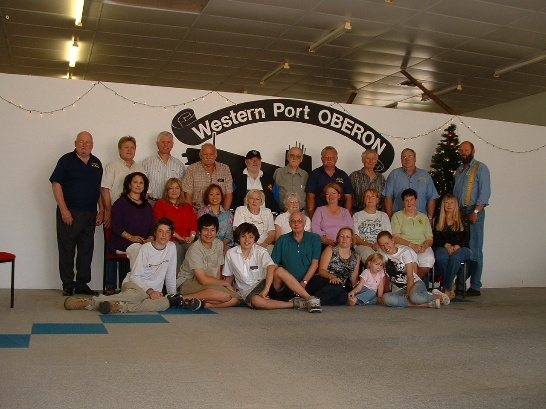
The WPOA was built on a foundation of community volunteering, passionate advocacy, and collaboration with local councils. The group successfully acquired the vessel, engineering a massive logistical effort to transport and gift the submarine to the Western Port community. Their ultimate vision was to establish the submarine as the crown jewel of a dedicated maritime museum in Hastings, turning it into an educational and tourism hub.
Over the years, association members have dedicated countless volunteer hours to maintaining the vessel against weathering and rust. Through community fundraising, heritage grants, and public tours, the WPOA has kept the spirit of Australia's submarine service alive. Today, the association stands as a powerful example of grassroots preservation, ensuring that future generations can explore and respect Australia's rich naval history.
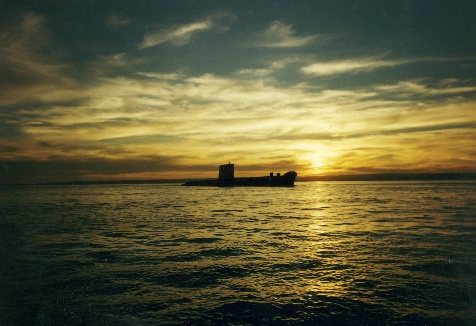
Otama arrives in Western Port
Work begins on the museum
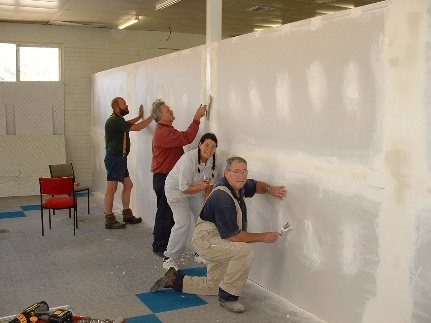
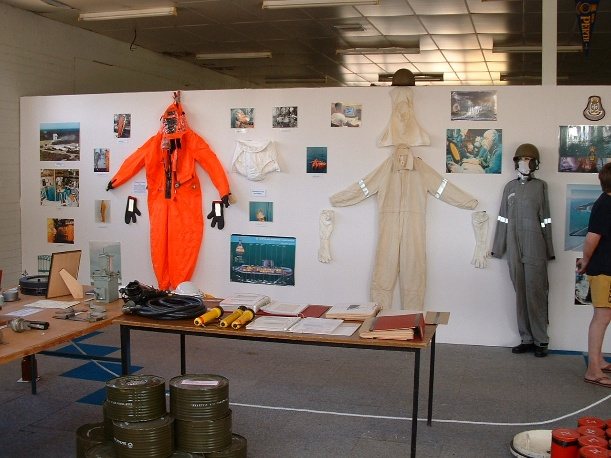
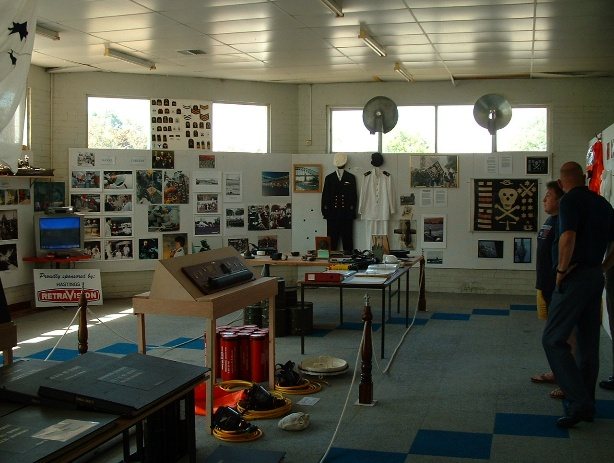
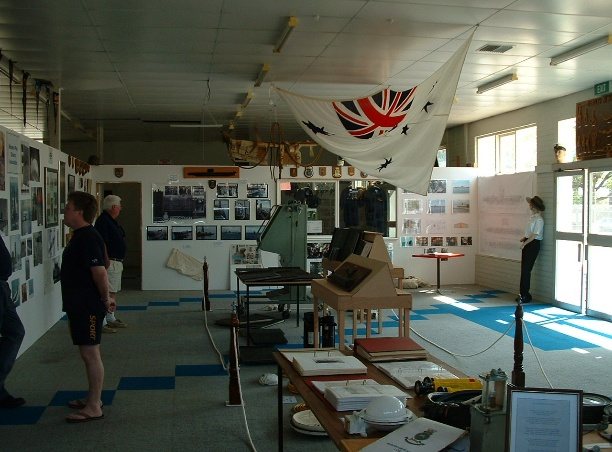
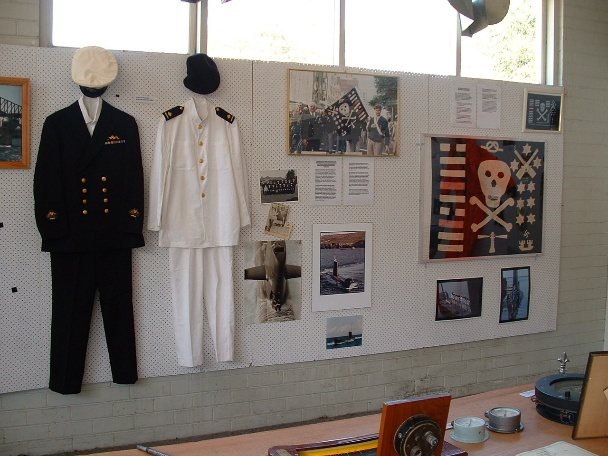
A former car sales building in Hastings had been lying idle for some time. The owner was approached and agreed to allow us to use the building as a maritime museum. With the generous support of local businesses and members, who contributed their expertise and labour, the building was successfully transformed into a museum.