A guided visit that goes well beyond the classroom walls.
Conducting school student tours at a maritime museum offers a dynamic, multi-sensory educational experience that extends far beyond the classroom walls. Picture walking up the gangway and stepping aboard historical vessels, and engaging with seafaring artifacts: students connect with history, science, and culture in a profoundly impactful way.
Bringing history to life
Tangible encounters transform abstract textbook lessons into memorable realities. When students stand on the deck of a historic ship or touch vintage navigation equipment, they gain an authentic understanding of past eras. They can more easily visualise the daily lives, hardships, and triumphs of early explorers, immigrants, and naval crews, fostering a deeper historical empathy.
Enhancing STEM learning
Science, technology, engineering, and mathematics come up naturally in maritime history. Students explore the physics of buoyancy, the engineering behind massive hull designs, and the mathematics used in celestial navigation. Seeing these concepts active in real-world, historical contexts demystifies complex scientific principles and sparks interest in technical career paths.
Cultural and environmental awareness
A visit helps students understand our interconnected world and the importance of merchant shipping. Maritime museums highlight how global trade routes shaped modern society and facilitated cultural exchange. Exploring the relationship between humans and the ocean also introduces critical conversations about marine ecology, conservation, and the historical reliance on maritime natural resources.
Collaborative critical thinking
Guided museum tours often feature interactive workshops, scavenger hunts, and group problem-solving challenges based on real nautical dilemmas. Students must communicate effectively and think critically to decipher historical logs, map out routes, or analyse artifacts, mirroring the collaborative nature of actual ship crews.
Every kind of learner
While traditional classrooms often lean heavily on auditory and reading-focused learning, a maritime museum provides a rich mix of visual displays, tactile objects, and immersive environments. Kinetic and visual learners thrive when moving through physical spaces and interacting with hands-on exhibitions, ensuring higher overall engagement and knowledge retention.
School tours to a maritime museum bridge the gap between theory and reality. Well planned student tours provide educators with a powerful tool to inspire curiosity, enrich curriculum delivery, and leave a lasting impression on young minds.
How to book
Please ring Rosey on 0476 109 223 or send us a message using our contact form.
Ahoy, explorers!
What can we see?
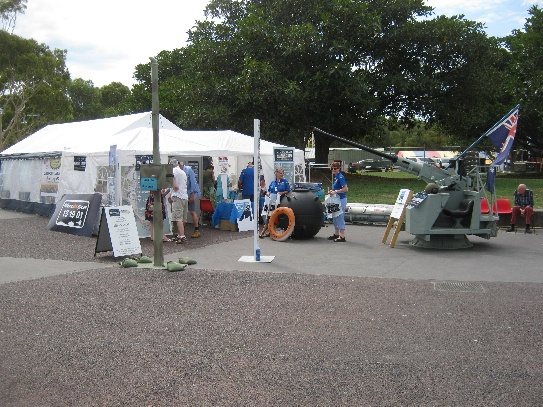
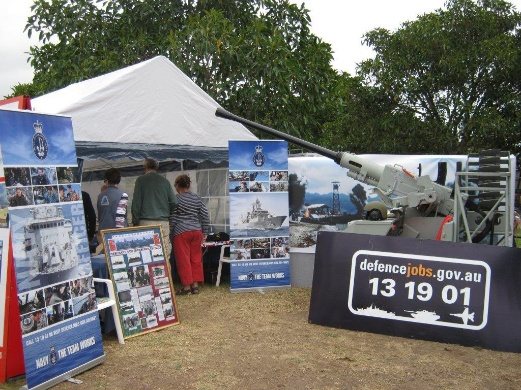
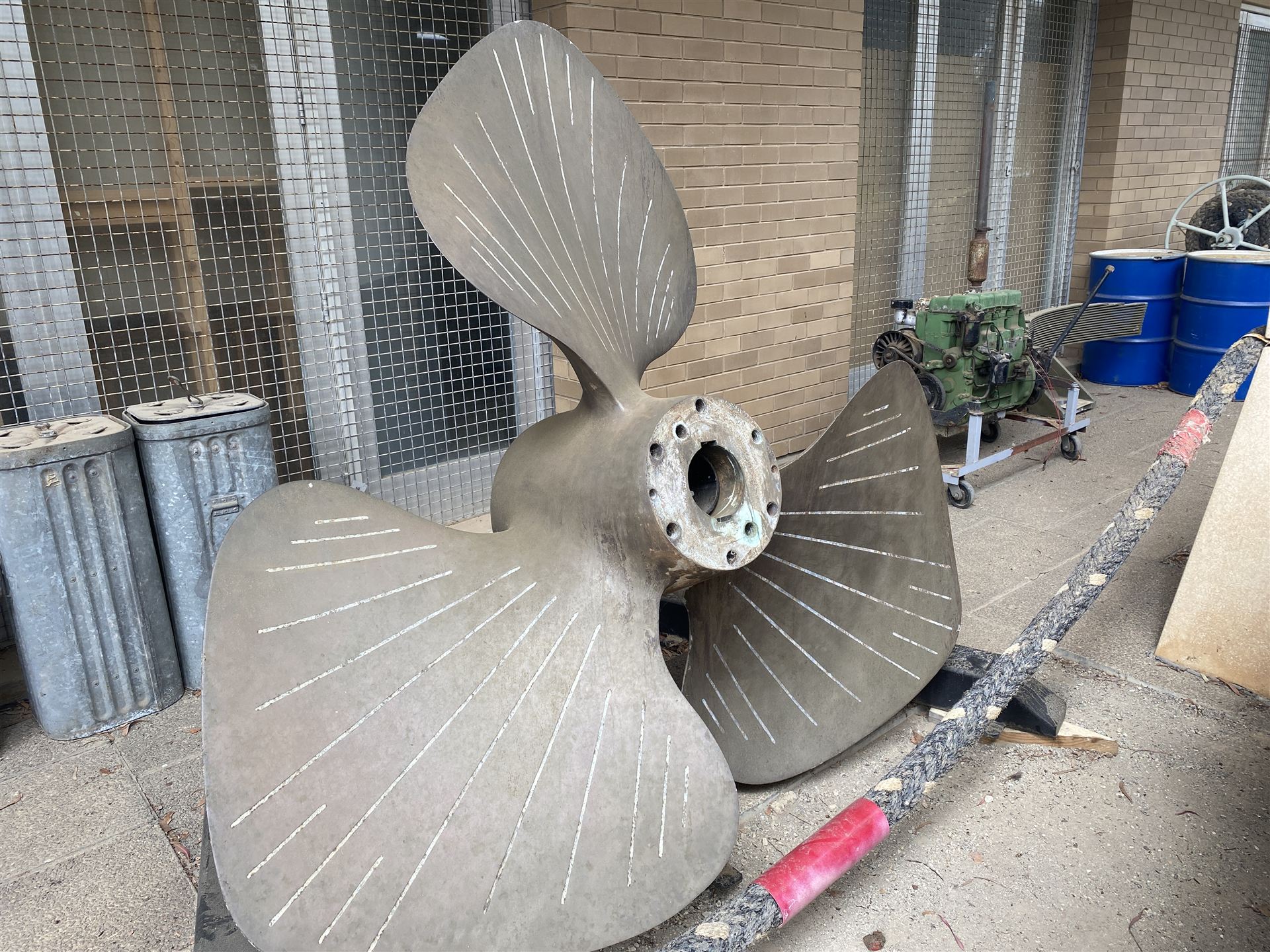
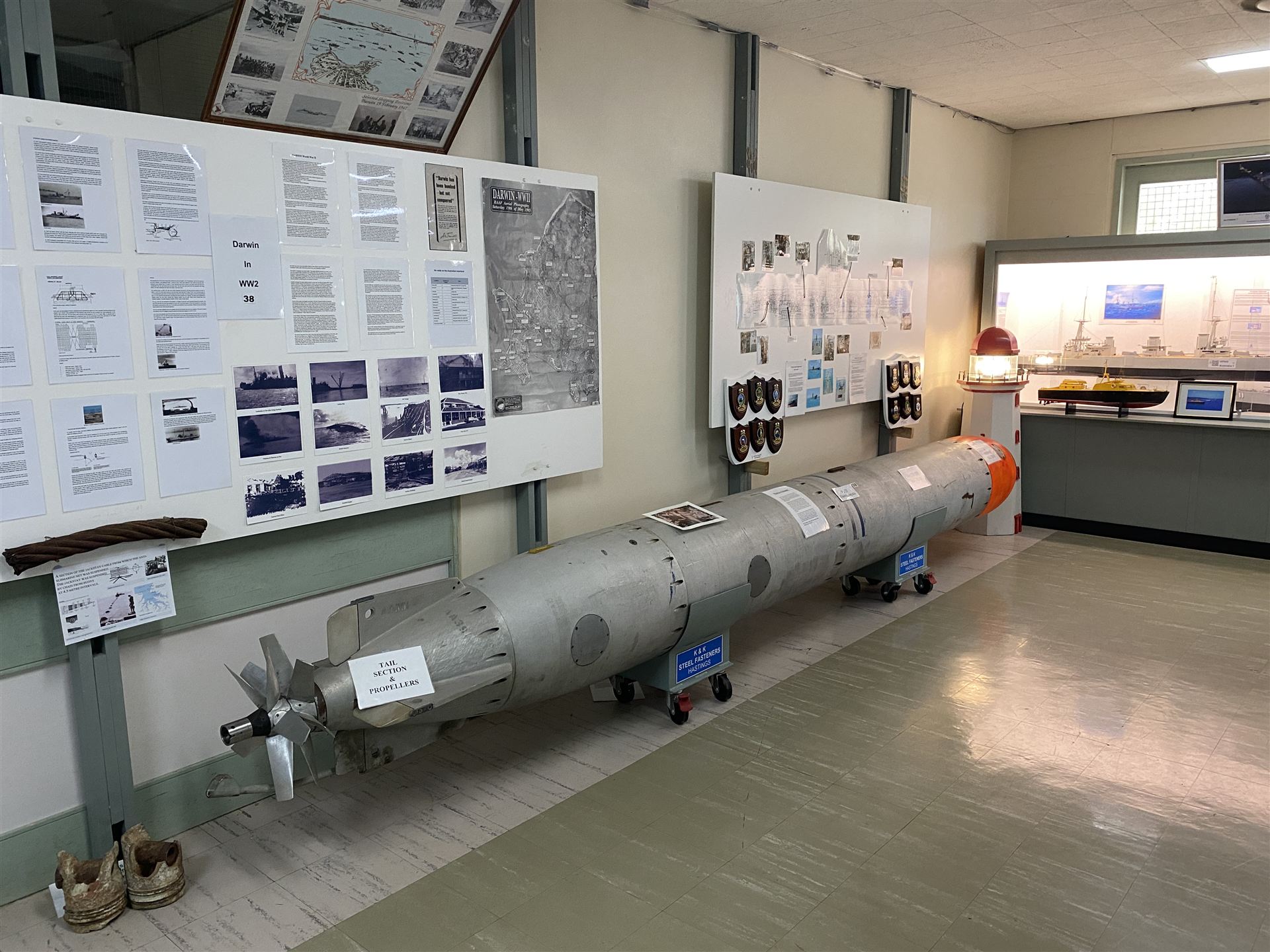
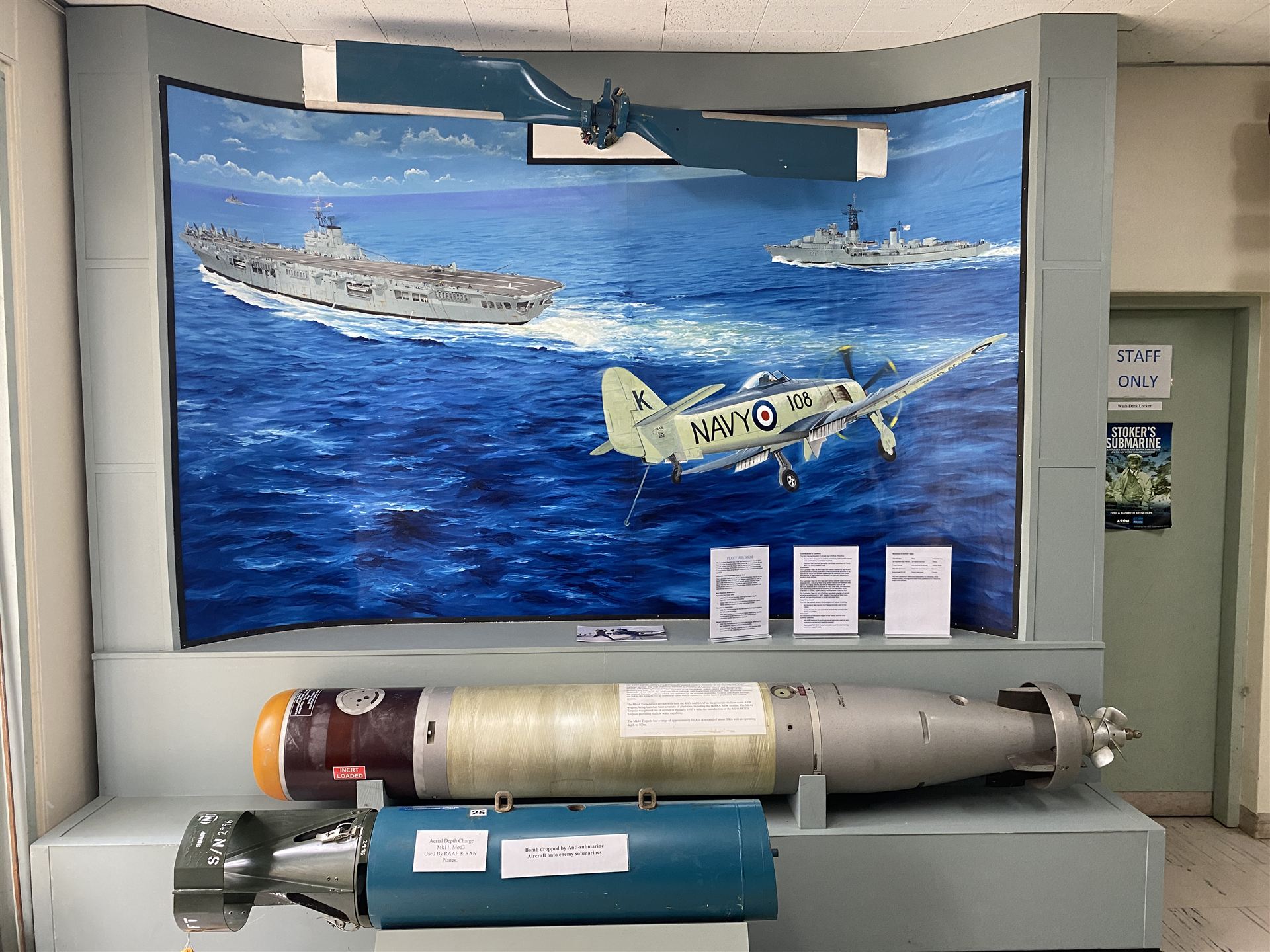
Giant ship's propellers, a real torpedo, working ship models, a ship's gun on the lawn, and dioramas that put you on the bridge of a warship.
Prices for school groups
| Child (5 to 9) | $2 |
|---|---|
| Child (10 to 14) | $8 |
Prices are per child. See all the group tour prices.
How to book a tour
Ring Rosey on 0476 109 223 or send us a message using our contact form. School groups can be booked outside our normal opening hours.
Getting here
We are at 220 The Esplanade, Crib Point, with a large car park that has room for buses. See the map and directions.
Did you know?
The pilot ship Wyuna is named after an Indigenous word meaning "clear water".
HMAS Australia was the most kamikazed ship of World War II.
Pilots climbed a rope ladder from a small boat to reach moving ships at "The Rip".
Our submarine HMAS Otama was nicknamed the "Gucci Boat".
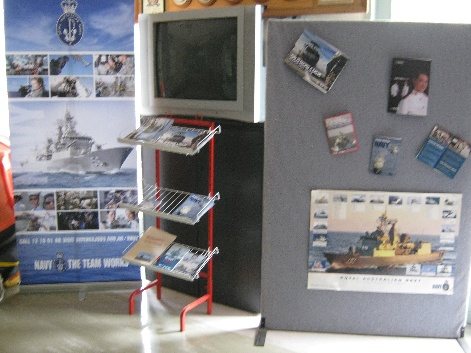
Taking maritime history to the people
The Western Port Oberon Association, through the Victorian Maritime Centre, endeavours to take maritime history to the people via exhibits at local events.